


What Types of Therapy Help With Depression?
Depression is one of the most common mental health conditions in the United States, affecting millions of adults, teens, and children every year. If you or a loved one are struggling with persistent sadness, hopelessness, or loss of interest in daily life, you are not alone — and most importantly, effective help is available.
At Healthy Mind Psychotherapy Inc, we believe that finding the right therapy approach makes all the difference. In this guide, we explore the most evidence-based types of therapy for depression — so you can make an informed choice on your path to healing.
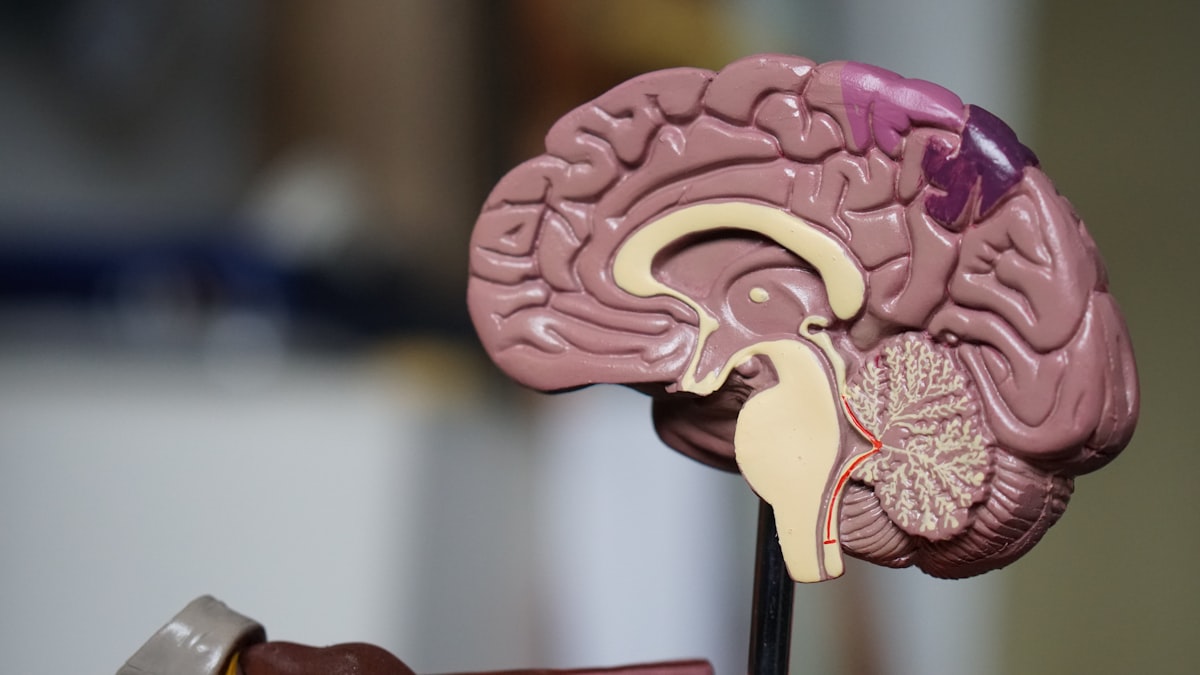
1. Cognitive Behavioral Therapy (CBT)
Cognitive Behavioral Therapy (CBT) is widely regarded as the gold standard for treating depression. It focuses on identifying and changing negative thought patterns — the inner critic that tells you things will never get better. Through CBT, clients learn to challenge distorted thinking, build healthier habits, and develop practical coping strategies. Research consistently shows CBT produces lasting results, often comparable to antidepressant medication — with significantly lower relapse rates.

2. Interpersonal Therapy (IPT)
Depression is often deeply connected to relationship difficulties, grief, major life changes, or social isolation. Interpersonal Therapy (IPT) specifically targets these relational roots. By improving communication skills, resolving conflicts, and processing losses, clients experience significant mood improvement — especially when depression follows divorce, bereavement, job loss, or major life transitions.

3. Psychodynamic Therapy
Psychodynamic therapy explores how past experiences, unresolved conflicts, and unconscious emotional patterns contribute to depression in the present. This approach is ideal for those who want deep, lasting insight — not just symptom relief. Studies show that psychodynamic therapy's benefits continue to grow even after treatment ends, a phenomenon researchers call the 'sleeper effect.'

4. Behavioral Activation Therapy
One hallmark of depression is withdrawal — pulling away from activities and pleasures that once brought joy. Behavioral Activation works directly against this cycle. Therapists help clients gradually re-engage with rewarding activities, breaking the downward spiral of inactivity and low mood. This approach is straightforward, skills-based, and highly effective.

5. Mindfulness-Based Cognitive Therapy (MBCT)
Mindfulness-Based Cognitive Therapy combines CBT with mindfulness meditation. Developed specifically to prevent depression relapse, MBCT teaches individuals to observe thoughts and feelings without judgment. Clinical trials have shown MBCT can cut the risk of relapse by nearly 50% in people with three or more depressive episodes — it is now recommended by major mental health guidelines worldwide.

6. Acceptance and Commitment Therapy (ACT)
Rather than eliminating depressive thoughts, ACT encourages individuals to accept them as a natural part of human experience — and then commit to living in alignment with their deepest values. This shifts the goal from 'feeling better' to 'living better.' ACT is especially powerful for individuals ready to create a meaningful, values-driven life even in the presence of difficult emotions.
How to Choose the Right Therapy for Depression
The best therapy for depression is the one that fits your unique needs, personality, and circumstances. Some people thrive with structured, skill-based approaches like CBT. Others find deep healing in exploratory psychodynamic therapy. Many benefit from a combination tailored by an experienced therapist. At Healthy Mind Psychotherapy Inc, our licensed therapists create a personalized treatment plan through convenient virtual therapy for clients in Irvine, CA and anywhere in the US.
Ready to Take the First Step?
Depression is treatable. With the right therapeutic support, millions of people reclaim joy, connection, and a sense of purpose in their lives. Book your first session with Healthy Mind Psychotherapy Inc today — online, serving Irvine, CA and clients across the United States — and take the most important step toward a healthier, happier mind.



Comments