

How to Reduce Stress and Anxiety Naturally: 10 Evidence-Informed Strategies for a Calmer Mind
Stress and anxiety are common experiences. When they begin to interfere with sleep, relationships, work, or everyday life, practical coping tools can help. The goal is not to eliminate every stressful feeling, but to build habits that support emotional well-being and resilience.
1. Practice slow, intentional breathing
When your body feels tense or your thoughts speed up, pause and take a few slow breaths. Relax your shoulders and make your exhale comfortable and unhurried. This creates a short pause between a stressful trigger and your response.
2. Make sleep a priority
Keep a consistent sleep and wake schedule when possible and create a calming wind-down routine. If sleep problems continue or significantly affect daily life, consider discussing them with a qualified health professional.
3. Move your body regularly
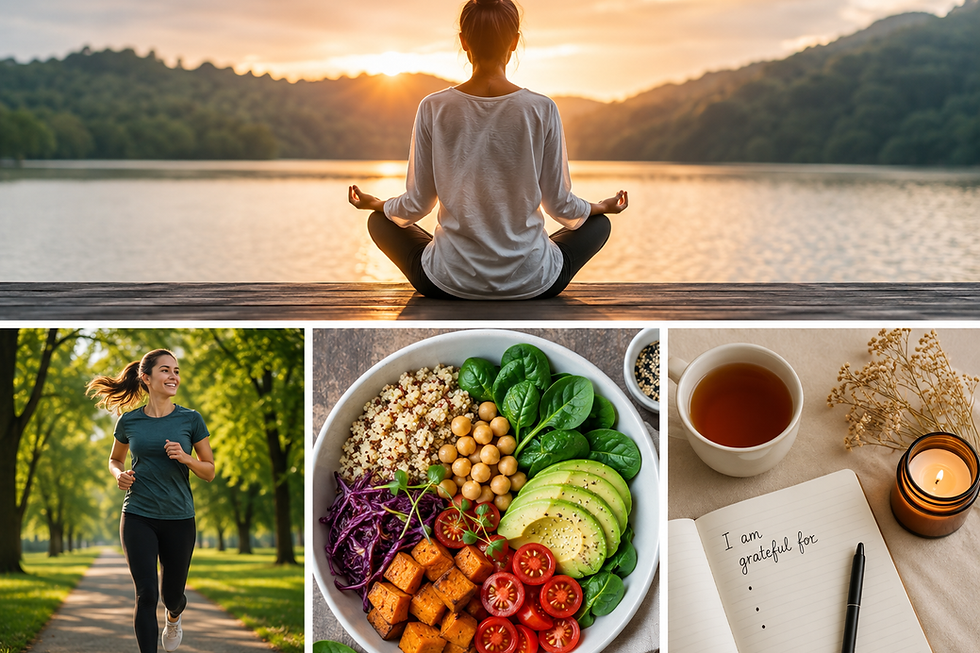
Walking, stretching, yoga, cycling, dancing, or another activity you enjoy can become part of a sustainable stress-management routine. Start with realistic goals and focus on consistency rather than perfection.
4. Practice mindfulness
Mindfulness means paying attention to the present moment with less judgment. Try a few minutes of mindful breathing, walking, eating, or noticing your surroundings as a simple reset during a busy day.
5. Reduce the pressure to do everything at once
Choose your top one to three priorities, break large tasks into smaller steps, and postpone lower-priority work when possible. Clear boundaries around work and personal time can make your routine more sustainable.
6. Stay connected to supportive people
A trusted friend, family member, mentor, or therapist can provide perspective and emotional support. You can start with a simple message such as, “I have been having a stressful week and could use someone to talk to.”
7. Notice what increases your stress
For a week, note situations that increase your stress and what you were thinking, feeling, and doing at the time. Patterns can help you identify useful changes such as taking breaks, setting boundaries, changing routines, or asking for support.
8. Be intentional with screens and information
Consider turning off nonessential notifications, creating screen-free periods, and choosing specific times to check news or social media instead of refreshing throughout the day.
9. Treat yourself with patience
Stress management is a skill, not a test you can fail. If one strategy does not work for you, try another. Small, repeatable changes are often easier to maintain than a complete lifestyle overhaul.
10. Know when to seek professional support
Self-care can be helpful, but it is not a replacement for professional care when symptoms are persistent, severe, or disrupting your life. A licensed mental health professional can help you understand what you are experiencing and develop an individualized treatment plan.
Frequently asked questions about stress and anxiety
What is the fastest way to calm down when stressed?
There is no single method that works for everyone. A short pause, slow breathing, a brief walk, grounding your attention in your surroundings, or contacting someone you trust can be useful starting points.
Can lifestyle changes replace therapy for anxiety?
Lifestyle habits can support mental well-being, but they are not a substitute for professional treatment when anxiety is persistent or significantly impairing. A qualified clinician can help determine the appropriate level of support.
When should I talk to a therapist about stress?
Consider professional support when stress or anxiety is difficult to manage, keeps returning, interferes with important areas of life, or leaves you feeling stuck. You do not have to wait for a crisis before asking for help.
Final thoughts
Reducing stress is usually less about finding one perfect solution and more about creating a supportive routine. Start with one small change, build consistency, and seek professional support when stress or anxiety continues to interfere with your life.
HealthyMind.care provides mental health resources and therapy support for people looking for compassionate, professional care. Explore the available services when you are ready to take the next step.


Comments